Rubbish removal options for homes on Honor Oak Road SE23
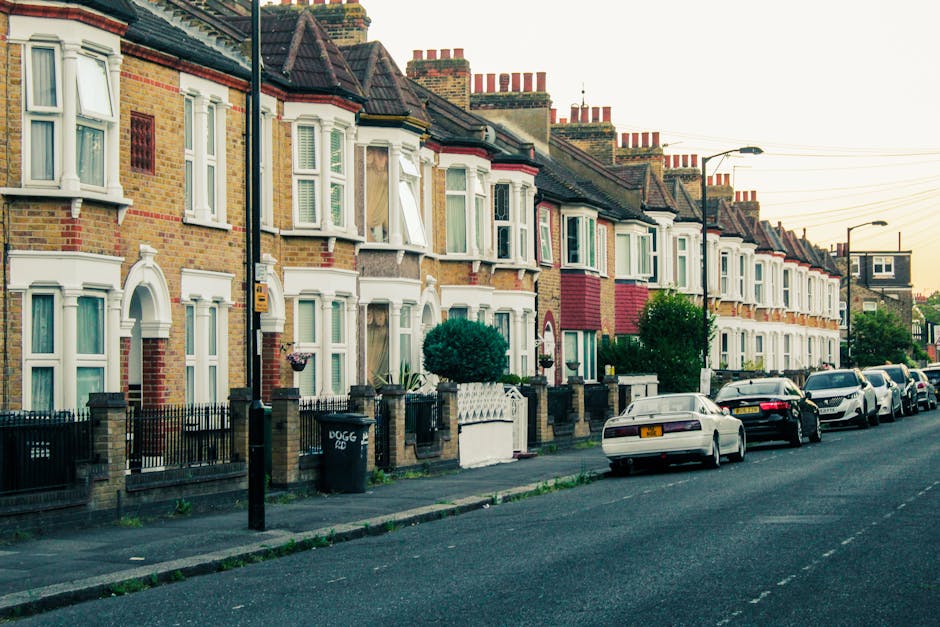
If you live on Honor Oak Road in SE23, rubbish has a way of building up faster than you expect. A broken wardrobe in the hallway, old boxes in the loft, a shed full of half-forgotten bits, and suddenly the place feels tighter, messier, and harder to manage. The good news is that there are several sensible rubbish removal options for homes on Honor Oak Road SE23, and the best one usually depends on how much waste you have, how quickly you need it gone, and whether you want to do the heavy lifting yourself.
This guide walks through the main choices in plain English. You will see how each option works, where it fits best, what to watch out for, and how to avoid the common mistakes that turn a simple clear-out into a stressful weekend. There is no one-size-fits-all answer here. Truth be told, the right option is often the one that saves you time, hassle, and a sore back.
Why rubbish removal options for homes on Honor Oak Road SE23 Matters
Rubbish removal is not just about tidiness. In a busy London neighbourhood, clutter can affect how your home feels day to day. A pile of old furniture in a front room makes cleaning harder. Bags of mixed waste in the garden attract damp, smells, and sometimes pests. And if you are trying to prepare a property for sale, rent, or renovation, visible waste can quietly drag everything down.
Homes on Honor Oak Road SE23 can face a mix of rubbish types: general household waste, bulky items, garden debris, loft clutter, garage overflow, and the odd bit of DIY rubble after a weekend project. That mix matters, because not every removal method handles every type of waste efficiently. A few black bags are one thing. A dismantled sofa, broken shelving, and old flooring are another thing entirely.
There is also the practical side. Narrow access, parking pressure, stairs, shared hallways, and time limits can all change what is realistic. Some people can manage a small clear-out with a car trip and a bin run. Others need a proper collection with loading, sorting, and disposal handled in one go. Let's face it, carrying a wardrobe down two flights of stairs is not most people's idea of a good Saturday.
If the waste is mostly furniture, a dedicated service such as furniture clearance can be a much cleaner fit than trying to piece everything together yourself. And if you are dealing with a broader reset of the property, home clearance or house clearance may cover far more ground in one visit.
How rubbish removal options for homes on Honor Oak Road SE23 Works
Most rubbish removal options follow a similar flow, even if the level of service changes. First, you identify what needs to go. Then you decide whether you are handling it yourself, using a skip, or booking a collection service. After that comes sorting, loading, transport, and disposal or recycling.
A simple domestic clear-out might involve:
- Separating reusable, recyclable, and general waste.
- Checking whether any items need special handling, such as fridges, paint, mattresses, or broken electricals.
- Choosing a collection time that suits your access and schedule.
- Preparing items so they can be lifted safely and quickly.
- Removing the waste and making sure it is taken to the right disposal route.
That sounds straightforward, and often it is. But the small details matter. If you leave everything mixed together in one room, the job takes longer. If you forget about access down a tight staircase, the collection may need more hands. If you have a lot of bulky waste, a service that specialises in waste removal is often easier than trying to make several trips yourself. For a broader overview of what can be handled, have a look at the site's waste removal service.
In practical terms, the work can range from a simple lift-and-load to a more involved clear-out with sorting and light dismantling. A loft full of old suitcases and broken boxes is very different from a garage packed with timber offcuts, old paint tins, and rusty shelving. Same house, different headaches.
Key Benefits and Practical Advantages
Choosing the right rubbish removal option can save time, reduce stress, and prevent a lot of unnecessary back-and-forth. That is the obvious part. The less obvious benefits are often the ones people appreciate most once the job is done.
- Faster turnaround: A single collection can clear space in one visit instead of several weekend trips.
- Less physical strain: Bulky or awkward items are handled by people used to moving them safely.
- Cleaner finish: When the waste is removed properly, the home feels more usable straight away.
- Better sorting: A good service will separate different waste streams more effectively than a rushed DIY clear-out.
- More flexibility: Services can often adapt to mixed loads, odd access, and one-off domestic jobs.
- Lower stress: No van hire, no repeated loading, no wondering where to take everything.
There is also the emotional side, which gets overlooked far too often. A clear room can feel like a small reset. You open the door, notice the air smells fresher, and suddenly the space feels useful again. That matters. Especially if you have been living around clutter for months and stopped noticing it.
Where waste includes old cabinets, sofas, or wardrobes, a service linked to furniture disposal may be the neatest solution. If the job is a whole-room or whole-property sweep, flat clearance can be especially relevant for smaller homes or apartments where access and space are more limited.
Who This Is For and When It Makes Sense
This topic is for anyone on Honor Oak Road SE23 who has waste building up faster than their bins can handle. That may sound obvious, but the reasons vary a lot.
You may need rubbish removal if you are:
- moving house and do not want to take unwanted items with you;
- clearing a loft, garage, or shed before the clutter becomes unmanageable;
- replacing furniture and need the old pieces removed;
- tidying after a decorating job, minor renovation, or garden project;
- helping a relative downsize or clear a long-unused property;
- preparing a rental property for new occupants;
- dealing with a mix of heavy, awkward, and general household waste.
Sometimes the choice is not really about the rubbish itself. It is about time. A parent with a packed schedule, for example, may not have the energy to arrange a car load, sort waste types, and spend an entire afternoon at the tip. A professional collection can be the difference between "I'll deal with it later" and actually getting the room back.
For lofts, garages, and storage-heavy areas, the related services loft clearance and garage clearance can be particularly useful. If the whole property needs attention, a more complete house clearance may be the better fit. This is where matching the method to the mess really pays off.
Step-by-Step Guidance
If you want to choose the right rubbish removal option without second-guessing yourself, start with the actual job in front of you. Not the job you wish you had. The real one.
- Walk through the space. Make a rough list of what needs removing, room by room.
- Separate waste by type. Put aside reusable items, mixed rubbish, furniture, green waste, and any construction debris.
- Look at access. Think about stairs, narrow hallways, parking, and whether items need dismantling.
- Decide on the level of help. Can you manage with your own vehicle, a bin bag run, or do you need collection support?
- Check for awkward items. Mattresses, large wardrobes, broken appliances, and leftover building material usually need extra planning.
- Compare convenience with cost. The cheapest option is not always the best if it takes all day and leaves you exhausted.
- Prepare the waste. Bundle where possible, empty drawers, remove loose contents, and make the load safe to carry.
- Book a suitable service or complete the DIY removal. For mixed domestic waste, a professional service often saves the most time overall.
A useful rule of thumb: if you can lift it, sort it, and move it without stress, DIY may be fine. If the waste is mixed, heavy, or awkwardly placed, a collection service usually makes more sense. You do not need to prove anything to the rubbish pile. It can wait.
Expert Tips for Better Results
A few small habits can make the whole job smoother. In our experience, these are the details that stop a straightforward clear-out from becoming a frustrating one.
- Clear the route first. Before moving anything, make sure the path from room to exit is free.
- Use visible sorting zones. One corner for keep, one for remove, one for recycle. Simple, but effective.
- Take photos before booking. A couple of clear images help judge the scale of the job and avoid surprises.
- Break down items where safe. Flat-pack furniture, for instance, is easier to move in pieces.
- Watch for hidden weight. Old cupboards, wet garden waste, and book boxes are heavier than they look.
- Deal with the odd items early. Paint, sharps, batteries, and electricals deserve extra attention.
One small but important tip: if you are clearing a room near a busy window or front door, do the dusty or noisy items first. The sound of scraping wood across a floor at 8 a.m. is... well, not ideal for neighbours or your own nerves.
If you need a broader service that can support mixed household jobs, the site's home clearance information is worth a look, especially when the same property has furniture, general rubbish, and odd items that do not fit neatly into one category.
Common Mistakes to Avoid
A lot of rubbish removal headaches come from avoidable mistakes, not from the waste itself. The job seems simple until the first bulky item gets stuck in the stairwell.
- Leaving sorting until the last minute. Mixed waste is slower and harder to manage.
- Underestimating volume. A room that looks "almost empty" can still produce a surprising amount of rubbish.
- Forgetting access issues. Parking, gate widths, and internal stairs matter more than many people expect.
- Mixing hazardous and general waste. Paint, chemicals, gas canisters, and some electrical items need careful handling.
- Assuming every item can go the same way. A sofa, garden soil, and broken shelving are not the same job at all.
- Choosing only on price. A very cheap option that creates extra hassle rarely feels cheap by the end.
Another common mistake is waiting until the clutter becomes an emergency. Then the job feels bigger, your options feel narrower, and you end up rushing. A little planning usually saves a lot of stress. Not glamorous, but true.
Tools, Resources and Recommendations
You do not need specialist kit for every clear-out, but the right basic tools can make the process safer and quicker. The goal is to reduce friction, not turn your living room into a warehouse.
Useful items include:
- heavy-duty bin bags for light mixed waste;
- work gloves for sharp edges and dusty items;
- tape or cable ties for bundling loose pieces;
- a basic hand trolley or sack truck for awkward loads;
- marker pens for labelling keep/recycle/remove piles;
- blankets or cardboard to protect floors and door frames while moving bulky items.
For larger domestic clear-outs, it can help to think in categories rather than individual objects. Furniture, green waste, loft clutter, garage junk, and builders' debris all behave differently. If your job includes leftover rubble or renovation waste, builders waste clearance may be the better category to explore. If it is mainly pruning, branches, or soil, then garden clearance fits more naturally.
For people who want transparency around the service experience, it is also worth reviewing the company's pages on pricing and quotes, recycling and sustainability, and insurance and safety. Those pages can help you understand what to expect before you book.
Law, Compliance, Standards, or Best Practice
Waste removal in the UK should be handled responsibly. You do not need to become a legal expert just to clear out a cupboard, but it helps to follow sensible best practice.
As a homeowner, you should think carefully about where waste goes, especially if it includes electrical items, sharp materials, liquids, or anything that may be considered hazardous. Good waste practice usually means:
- sorting items before removal where practical;
- keeping hazardous materials separate;
- avoiding fly-tipping or unofficial dumping;
- using a service that treats disposal and recycling properly;
- making sure anything removed from the property is handled in a way that is safe and traceable.
There is also a straightforward duty of care in everyday terms: if you hand over waste, you should be confident it will not end up being mishandled. That is why many people prefer a clear, professional service rather than a quick fix from someone who cannot explain where the rubbish will actually go. Best practice is usually the calm, boring option. Which is fine, really.
For trust and service quality, it is sensible to look for clear terms, clear pricing, and visible safety information. The website's terms and conditions and health and safety policy are useful reference points for understanding how a provider frames its responsibilities.
Options, Methods, and Comparison Table
The best rubbish removal option depends on size, type, access, and how much effort you want to put in. Here is a simple comparison to help you choose.
| Option | Best for | Pros | Trade-offs |
|---|---|---|---|
| DIY bin bags and car trips | Very small amounts of light waste | Low cost, flexible timing | Time-consuming, physically tiring, limited by vehicle space |
| Skip hire | Ongoing projects or heavier mixed waste | Good capacity, useful for longer jobs | Needs space, permits may be relevant in some cases, you do the loading |
| Man and van style collection | Mixed household rubbish, bulky items, quicker turnaround | Convenient, loaded for you, suitable for one-off clear-outs | Usually more expensive than doing it yourself, but saves time |
| Specialist room or property clearance | Lofts, garages, whole homes, furniture-heavy jobs | Efficient for larger domestic clear-outs, less hassle | May be more than you need for a very small job |
If your home has a lot of furniture to move, a service aimed at furniture clearance can be more practical than a general trip-by-trip approach. And for people clearing a property end to end, house clearance often gives the cleanest result in one move.
Case Study or Real-World Example
Here is a realistic example. A couple on Honor Oak Road had been slowly emptying a spare room after years of using it as storage. There were old boxes, a small sofa, two bookcases, a broken desk chair, bags of clothes, and a pile of odds and ends from a previous loft sort-out. Nothing dramatic on its own. Together, though, it filled the room and made it unusable.
They first considered doing it themselves. Then they realised the awkward bit was not the rubbish, but the stairs, the parking, and the sheer number of separate loads. After a quick assessment, they chose a collection-based option instead of trying to do five car trips. That meant the room could be cleared in one visit, with the heavier items taken out first and the small stuff grouped last. By late afternoon, the space was open again. Not perfect, not magazine-styled, but clear. And honestly, that was the win.
That kind of scenario is common. People often think they need a massive clear-out service only for hoarded properties or major refurbishments. In reality, the biggest value often comes from ordinary household jobs that have quietly got out of hand. One room. A garage. A loft. A "temporary" pile that stayed for a year.
When the load includes more than furniture, it can help to match the service type closely to the waste. A home that is being reset after DIY work may lean toward builders waste clearance, while a garden-heavy job is usually better handled through garden clearance.
Practical Checklist
Use this before you book or start moving anything.
- Have I listed everything that needs removing?
- Have I separated furniture, general waste, garden waste, and DIY debris?
- Do I know which items are heavy, awkward, or fragile?
- Is there enough access for moving items safely out of the property?
- Have I checked for anything hazardous, sharp, or liquid-filled?
- Do I want to do this myself, or would a collection save time and stress?
- Have I looked at the service details, including pricing, safety, and recycling approach?
- Have I protected floors, walls, and door frames if I am moving items internally?
- Have I set aside reusable items before the clear-out starts?
- Am I confident the option I choose suits the scale of the job?
If you can tick most of those off, you are in good shape. If not, pause for ten minutes and sort the basics first. It makes a bigger difference than people think.
Get a free quote today and see how much you can save.
Conclusion
The best rubbish removal options for homes on Honor Oak Road SE23 are the ones that match your waste, your access, and your schedule. For a tiny load, DIY might be enough. For bulky furniture, mixed household clutter, loft overflow, or a room that has simply got away from you, a professional collection is often the cleaner, calmer choice.
What matters most is not just getting rid of the rubbish. It is choosing a method that makes the whole process feel manageable. A good clear-out gives you back space, breathing room, and a bit of peace of mind. And that is worth a lot on a busy London street.
Take it one room at a time, keep the decision simple, and do not be afraid to choose convenience when it genuinely saves you time. A less cluttered home can change the feel of the day, sometimes more than you expect.
Frequently Asked Questions
What is the easiest rubbish removal option for a home on Honor Oak Road SE23?
For most people, a collection-based service is the easiest option because it removes the need for multiple trips, lifting, and sorting everything into your own vehicle. It is especially useful for bulky or mixed waste.
Can I mix furniture and general rubbish in the same clear-out?
Yes, in many cases you can. Mixed domestic loads are common. The key is to separate anything hazardous or unusually difficult to handle so it can be dealt with properly.
Is a skip always the cheapest option?
Not always. A skip can be cost-effective for ongoing projects, but for one-off household clear-outs, you may find a collection service more convenient and better value overall once labour and time are factored in.
What kind of items are awkward to remove from homes?
Large wardrobes, sofas, mattresses, broken appliances, paint tins, and heavy boxes are often the most awkward. Stairs, tight hallways, and limited parking can make them more difficult than they first look.
Do I need to sort waste before a collection?
Some sorting is very helpful, especially for separating reusable items, general rubbish, and special waste. Even a rough sort can save time and reduce the chance of problems on the day.
What if I only have rubbish from a loft or garage?
That is a very common situation. In that case, a targeted service such as loft clearance or garage clearance is often the most sensible fit because it focuses on exactly the space you want cleared.
How do I know if I need home clearance rather than waste removal?
If you are clearing multiple rooms, lots of furniture, and household contents rather than just loose waste, home clearance or house clearance is usually the better match. Waste removal tends to suit more general mixed rubbish jobs.
Can garden waste be collected with household rubbish?
Sometimes it can be handled together, but it depends on the provider and the make-up of the load. If the job is mainly grass cuttings, branches, and soil, a garden clearance option is usually the clearest route.
What should I check before booking any rubbish removal service?
Check what is included, how access is handled, how pricing works, what happens to recyclable items, and whether the company provides clear terms and safety information. A little checking now saves surprises later.
Are there any items I should never leave mixed with ordinary rubbish?
Yes. Batteries, chemicals, liquid paint, some electrical items, sharps, and other potentially hazardous materials should be separated and handled carefully. If in doubt, ask for guidance before the collection.
Why do people choose a professional service instead of doing it themselves?
Usually for convenience, speed, and physical ease. It is one thing to move a couple of bags. It is another thing entirely to haul a tired wardrobe down the stairs while trying not to chip the wall. Professional help simply makes some jobs far less painful.
Where can I learn more about how the company handles safety, pricing, and sustainability?
Useful background is available on the site's pages covering pricing and quotes, recycling and sustainability, insurance and safety, and health and safety policy. Those pages help set expectations before you book.